Fast and Friendly Pest Control Services Warren County Residents Recommend
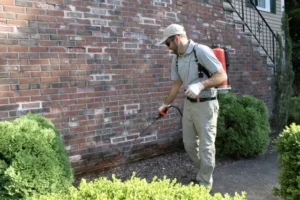
When people talk about good pest control, they usually start with the obvious problem. Ants in the kitchen. Wasps under the eaves. Mice in the basement. Termites turning a quiet structural issue into an expensive one. But in practice, what separates an average service call from a company residents recommend to neighbors is not only whether the bugs die or the rodents disappear. It is how quickly someone responds, how clearly they explain the problem, and how well they treat the home and the people in it.
That matters in Warren County, where homes range from older farmhouses and established suburban properties to newer builds on expanding residential streets. Different home styles create different pest pressures. A stone foundation can invite moisture and occasional insect activity. A tidy new development can still deal with ants, spiders, and mice moving through utility gaps. Homes near wooded edges often see more ticks, mosquitoes, and wildlife pressure. Properties with sheds, crawl spaces, and detached garages bring their own set of hiding spots.
Residents looking for Pest Control Services Warren County are usually not shopping for the lowest number on a quote sheet alone. They want a company that picks up the phone, shows up when promised, explains the treatment plainly, and solves the issue without turning a stressful day into a worse one.
What “fast and friendly” really looks like in the field
Speed in pest control does not always mean a truck in the driveway within an hour. In many cases, it means the office answers promptly, asks the right questions, and helps the homeowner decide whether the problem is urgent, routine, or seasonal. A yellowjacket nest near a front door on a summer afternoon is urgent. A few occasional stink bugs around a window frame may not require emergency service, but the customer still deserves a useful answer.
Friendliness is often misunderstood as small talk. It is more practical than that. A friendly technician respects the property, listens before treating, and avoids making the customer feel embarrassed. People apologize all the time when they call about pests, especially with bed bugs, roaches, or rodents. A seasoned professional knows better. Pests are opportunists. They look for food, water, shelter, and access. They do not care whether a home is spotless or cluttered, expensive or modest.
The best technicians also know when to slow down. A rushed inspection misses the real issue. For example, a homeowner may report “mice in the attic,” but the actual access point could be a gap around a utility line at the rear foundation, with activity then moving up wall voids. Sprinkling bait in a few easy spots might reduce sightings for a week or two, but it does not solve the route of travel. Good service feels efficient without feeling hurried.
Why Warren County homes see recurring pest pressure
Local pest patterns are shaped by season, moisture, landscaping, and construction details. In spring, ant activity tends to spike as colonies expand and foragers move indoors in search of food and water. Early summer often brings stinging insects scouting for protected nesting sites around soffits, decks, sheds, and play sets. Hot, dry periods can drive pests indoors toward moisture sources. Fall pushes rodents to search for warmth and stable shelter, which is why calls often rise as nights turn cooler.
Moisture is one of the most underestimated factors. A damp crawl space, poor grading, leaky hose bib, or clogged gutter can support everything from centipedes and earwigs to larger ant populations and wood-destroying insect risks. I have seen homeowners focus on the insects they can see while the real driver was a downspout dumping water too close to the foundation. Once drainage improved, the pressure dropped noticeably.
Vegetation also matters. Dense mulch against siding, overgrown shrubs touching the house, stacked firewood, and leaf buildup along the perimeter all make life easier for pests. None of these conditions guarantee an infestation, but they increase the odds. The same goes for pet food left out overnight, bird seed scattered under feeders, and garage doors that no longer seal tightly at the bottom.
The pests residents most often want handled quickly
Not every pest problem requires the same response, and one of the signs of a reliable company is that they do not treat every situation with the same script. A termite inspection is a different conversation from a mosquito control plan. A one-time wasp nest removal is not the same as long-term rodent exclusion.
Ants are among the most common service calls because they are persistent and frustrating. Homeowners often try store sprays first, which can make the trail disappear temporarily without reaching the colony. With pavement ants or odorous house ants, for example, the visible activity is only part of the story. If treatment does not target the nest or account for where they are entering, the problem tends to return.
Rodents create a different kind of stress. People hear scratching at night, find droppings in a pantry, or notice insulation disturbance in an attic. The right response is rarely just trapping. Effective rodent work combines inspection, trap placement, sanitation guidance, and exclusion. If the access points remain open, new rodents eventually replace the old ones.
Stinging insects, especially yellowjackets and paper wasps, are one of the clearest cases where speed matters. Nests near entries, patios, or children’s play areas create an immediate safety concern. Here, confidence and caution count. A technician needs to identify the insect correctly and choose treatment timing and placement with care.
Termites are less dramatic day to day, but they deserve respect. Most homeowners do not discover termites because they saw a swarm in perfect lighting and instantly knew what it was. They notice something odd, a mud tube, blistered wood, a spring swarm near a window, or a contractor points out damage during another repair. By then, the issue may have been active for a while. This is why calm, thorough inspection matters so much.
Bed bugs are in a category of their own because they cause anxiety even when the infestation is light. Good service in these cases depends on inspection skill, realistic preparation instructions, and careful follow-up. Overpromising helps no one.
Signs it is time to call sooner rather than later
Some homeowners wait because they hope the issue will fade on its own. That rarely works well. Small pest problems often become more expensive because the root cause has more time to spread.
- Repeated sightings in the same area over several days
- Droppings, gnaw marks, or scratching sounds in walls or ceilings
- Winged insects indoors near windows, especially in spring
- Nests near doors, decks, rooflines, or children’s play spaces
- Musty crawl spaces, damp basements, or visible moisture damage paired with insect activity
These are not reasons to panic. They are reasons to move from guesswork to inspection.
What the best local companies do differently
The companies that earn steady recommendations usually share a handful of habits, and none of them are flashy. They communicate well. They arrive prepared. They explain both the treatment and the prevention side. Just as important, they do not pretend every pest issue can be solved in one visit.
That last point matters. Some jobs can be handled in a single appointment, such as a localized wasp nest or a straightforward perimeter treatment for seasonal invaders. Others need a short series of visits or an ongoing service plan. A mouse problem may require monitoring and sealing over time. A severe bed bug job needs scheduled follow-up. Mosquito reduction works best as seasonal management, not as a one-and-done promise after a rainy week.
Professional judgment also shows up in what a company chooses not to do. If a technician says a treatment will help but cannot guarantee permanent control without repairs, that is usually a sign of honesty. Pest management lives at the intersection of biology, building condition, weather, and human habits. Anyone claiming universal instant results is selling confidence, not accuracy.
Friendly service also shows up in the details. Boot covers if the weather is wet. Care around pets and children’s items. A clear explanation of when treated areas can be used again. Notes about what the technician found, not just what they sprayed. Those details build trust because they show respect for the household, not only the invoice.
The value of a thorough inspection
Inspection is where expertise becomes visible. A solid inspection is not a glance at the baseboards followed by a generic treatment. It is a structured look at where pests live, how they are getting in, and what is supporting them once inside.
With ants, that may mean tracking activity to a moisture source under a sink, then checking the exterior grade and nearby mulch beds. With rodents, it means looking at garage door corners, attic vents, foundation penetrations, and utility lines. With termites, it can involve examining basement framing, sill plates, crawl space supports, and any wood-to-soil contact.
The best inspectors also ask useful questions. When did the sightings start? Are they worse after rain? Do you hear noises at a certain time of night? Has there been construction nearby? Did the issue begin after a tree came down or after a new shed was added? These questions are practical. They help identify patterns a quick treatment would miss.
I have seen simple clues change the whole direction of a service call. One homeowner described “random bugs in the basement” that turned out to be moisture-related invaders concentrated near a wall where a downspout had detached during a storm. Another thought they had repeated mouse invasions each fall, but the actual issue was a side door sweep that left just enough gap to allow entry. Once sealed properly, the yearly pattern broke.
Treatment plans should fit the problem, not the sales script
A homeowner should be cautious if every recommendation sounds identical regardless of the pest. Responsible pest control adapts. That does not mean reinventing the wheel for each call, but it does mean matching methods to conditions.
For general household insects, treatment often combines targeted interior work with exterior perimeter protection and a review of conducive conditions. For rodents, trapping and exclusion tend to matter more than broad chemical use. For termites, the conversation may involve baiting systems, localized treatment, or broader structural protection depending on findings. For mosquitoes and ticks, source reduction around the property matters almost as much as scheduled applications.
There are trade-offs in every plan. Exterior-focused programs often reduce indoor pesticide use, which many families prefer, but they may need regular seasonal service to stay effective. Interior crack-and-crevice treatments can help in certain infestations, though they should be selective and purposeful. Exclusion work can add cost up front, yet it often saves money over time by reducing repeat issues.
This is where the phrase Pest Control Services Warren County means more than a keyword. Local service is not just about geography. It is about knowing regional pest cycles, common building styles, and the practical reality of properties that back to woods, fields, streams, and older drainage patterns.
Questions worth asking before you hire
A good company should welcome smart questions. If they seem irritated by basic concerns, that tells you something before the first treatment even begins.
- What pest do you believe this is, and what led you to that conclusion?
- What is included in the inspection and treatment price?
- Will this likely require one visit or a follow-up plan?
- What preparation should the household do before and after service?
- Are there repairs or sanitation steps that matter as much as treatment?
Those five questions cut through a lot of marketing language. They help homeowners understand whether the company is diagnosing or just reacting.
Balancing speed with safety
Fast service should not come at the expense of safe practice. Residents have every right to ask how products will be applied, where they will be applied, and what precautions are appropriate for children, pets, fish tanks, or sensitive spaces. A professional answer is usually straightforward, not defensive.
The right level of caution depends on the pest and the treatment method. Some jobs involve very limited application in cracks, voids, or exterior entry points. Others involve baits placed in secured stations. In mosquito or tick management, timing and weather conditions affect how well the work performs and how people should use the treated area afterward. A competent technician explains this clearly and without jargon.
One detail many customers appreciate is honesty about limitations. If rain may reduce the longevity of a treatment, say so. If a heavily cluttered basement will reduce inspection access, say so. If a mouse issue will continue until food storage improves, say so. Practical honesty may not sound glamorous, but it is one of the strongest markers of real professionalism.
Preventing the next call
The best pest control work often includes advice that prevents the next problem. Prevention is rarely dramatic. It is a series of small corrections that make a property less attractive and less accessible.
Sealing utility penetrations, replacing worn door sweeps, improving crawl space ventilation, trimming shrubs off siding, storing firewood away from the home, and correcting standing water can all make a meaningful difference. Indoors, dry goods storage, regular pantry checks, and quick cleanup of pet feeding areas matter more than many people realize. In garages and basements, cardboard clutter tends to create harborage, while plastic bins reduce hiding spots.
What works best is a combination of professional service and homeowner follow-through. Neither side can do everything alone. A treatment plan may reduce active pests significantly, but if the conditions that support them stay unchanged, pressure tends to return.
What pricing often reflects, and what it should not
People understandably compare prices, but pest control estimates can vary for legitimate reasons. The size of the property, the complexity of the pest issue, whether follow-up visits are included, and whether exclusion work is part of the job all affect cost. So does the difference between a single treatment and an annual or seasonal program.
A very low quote can mean corners are being cut. Sometimes it reflects a minimal inspection, generic treatment, or little to no follow-up. That does not mean the highest price is automatically the best choice either. What residents usually value most is clarity. What exactly are you paying for, and what happens if the problem persists?
A trustworthy company explains whether a warranty or service guarantee applies, what it covers, and under what conditions. That wording matters. There is a big difference between “we will return if activity continues during the covered period” and vague reassurance with no service commitment attached.
Why neighbor recommendations still carry weight
Online reviews are useful, but local recommendations still matter because they often include context. A neighbor can tell you whether the company was prompt during peak season, whether the technician was respectful, and whether the problem stayed solved. Those practical details are hard to fake.
People tend to recommend pest control companies for two reasons. First, the problem was actually handled. Second, the process felt manageable. That second point gets overlooked. Homeowners remember whether the office was responsive, whether appointment windows were realistic, whether instructions were clear, and whether the technician treated them like a person rather than a stop on a route sheet.
That is why fast and friendly service has real value. Pest issues already make people feel unsettled in their own homes. A company that reduces that stress while solving the problem earns trust in a way Pest Control Services Warren County a flashy ad campaign never will.
Choosing service that fits your home, not just your pest
There is no single best approach for every property in Warren County. A wooded lot with recurring tick pressure needs a different strategy from a townhouse with occasional kitchen ants. A century-old home with a fieldstone basement presents different challenges than a newer slab home with tight construction but garage entry points. The right company recognizes those differences quickly.
Look for signs of practical competence. Clear communication. Thoughtful inspection. Realistic timelines. Respect for the household. Specific recommendations tied to what was actually found. Those are the qualities that make Pest Control Services Warren County residents recommend to family and neighbors.
When a company brings speed, courtesy, and technical judgment together, the result is more than pest removal. It is peace of mind backed by work that makes sense. And for most homeowners, that is exactly what they were hoping to find when they made the call.
Affordable Pest Solutions LLC
Budd Lake, NJ 07828 (service-area business)
Serving Warren, Morris and Sussex Counties, New Jersey
Phone: +1 973-229-9547
FAQ About Pest Control Services Warren County
How much does pest control cost in NJ?
The cost depends on the pest, the size of the property, the extent of activity and whether follow-up visits are needed. Ask for an inspection and a written estimate that explains the treatment scope and any ongoing service charges. Affordable Pest Solutions offers free estimates for properties in its service area.
What are the most common household bugs in New Jersey?
Ants, cockroaches, stink bugs and spiders are among the pests that residents may encounter in New Jersey homes. Activity varies by season, moisture conditions and available entry points. Correct identification helps determine whether exclusion, sanitation, monitoring or professional treatment is appropriate.
What kind of bugs infest homes?
Ants, cockroaches and termites can establish persistent activity in or around homes. The signs and appropriate response differ by pest: trails, droppings, shed wings or damaged wood may warrant closer inspection. A pest professional can identify the cause and recommend a plan suited to the property.
Ends · PAXTONQYYG248