Pest Control Services in Warren County That Keep Bugs Away for Good
Anyone who has spent a full spring and summer in Warren County knows how quickly a small pest issue can turn into a house-wide nuisance. One line of ants along a baseboard becomes a steady trail to the pantry. A few wasps under the eaves turn into a nest over the back door. Mice that slip into a garage in late fall rarely stay politely contained to the garage. Pest problems have a way of expanding quietly, then all at once.
That is why effective pest control is not just about killing what you can see. It is about understanding how pests behave Pest Control Services Warren County in this part of the region, where they enter, what keeps drawing them back, and what kind of treatment actually holds up over time. Homeowners looking for Pest Control Services Warren County often start with the immediate problem in front of them, which makes sense. But the lasting results usually come from a broader approach, one built around inspection, exclusion, targeted treatment, and follow-up.
Why pests tend to thrive in Warren County
Warren County offers nearly ideal conditions for a wide range of household and structural pests. Seasonal humidity, wooded lots, open fields, agricultural edges, older homes, and changing temperatures all create pressure points. In practical terms, that means pests have shelter nearby, moisture sources they need, and plenty of opportunities to move indoors when the weather shifts.
I have seen this pattern play out repeatedly in homes that look spotless and well-maintained from the outside. Cleanliness matters, but it is not the whole story. Carpenter ants can move into damp wood behind a wall even when the kitchen is immaculate. Stink bugs can invade in large numbers simply because a home has favorable siding gaps and sunny southern exposure. Mice can enter through openings the width of a dime. Roaches often settle near hidden water sources long before anyone spots one in open view.
Local conditions also shape timing. Ant activity tends to surge once the soil warms. Wasps begin scouting nest sites early. Mosquito populations explode after wet periods. Rodents start looking harder for indoor shelter as temperatures drop. The best pest control work accounts for that calendar rather than reacting after an infestation has had weeks or months to establish itself.
The difference between quick relief and lasting control
A lot of frustration with pest control comes from confusing visible relief with real resolution. Spraying the ants you see on the counter may knock down activity for a day or two. It does not necessarily address the colony, the route of entry, or the moisture problem that made the area attractive in the first place.
Long-term control usually depends on four things working together:
- a thorough inspection that identifies the pest correctly
- treatment matched to the pest and the level of activity
- sealing or correcting the conditions that allow reentry
- follow-up at the right interval for the season and species
That may sound straightforward, but execution matters. Misidentification is common. People often assume all large ants are carpenter ants, all tiny pantry beetles come from poor housekeeping, or all buzzing insects around a roofline are bees. They are not. Different pests call for different tactics, and the wrong treatment can waste time, money, and a lot of patience.
What strong pest control service actually looks like
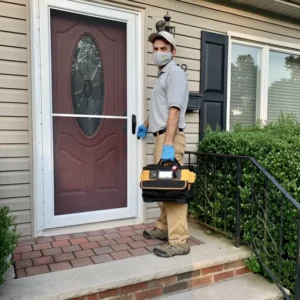
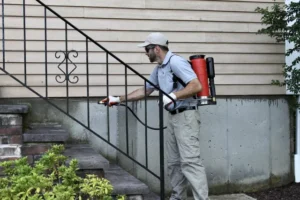
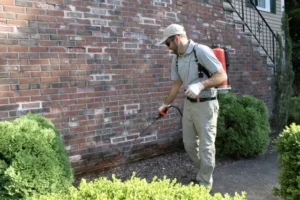
A solid service visit does more than treat the symptom. It reads the property. That means checking the foundation line, utility penetrations, attic conditions, crawl spaces if accessible, door sweeps, window frames, gutter runoff, mulch depth, vegetation touching the house, and signs of nesting or feeding. Indoors, it means looking beyond the obvious room where the pests were spotted.
In one older Warren County home, the homeowner was convinced the recurring ants were coming from the kitchen alone. The real driver turned out to be a slow leak around a second-floor bathroom drain. Moisture had softened wood around a wall void, which gave ants a foothold. Surface treatment helped only briefly. Once the leak was repaired and the void addressed properly, the recurring activity stopped.
That kind of example is common because pests are opportunists. They exploit building flaws, weather shifts, and overlooked maintenance issues. Good technicians know that the insect in front of you is often the last link in a longer chain.
The pests Warren County homeowners deal with most often
Ants remain one of the most frequent complaints, especially in spring and early summer. Pavement ants, odorous house ants, and carpenter ants all show up in local homes, but they do not behave the same way. Odorous house ants, for example, are notorious for relocating colonies when disturbed by the wrong treatment. Carpenter ants raise a different concern because they can nest in moisture-damaged wood and indicate a structural condition worth investigating.
Spiders trigger a lot of service calls too, though the issue is often indirect. A heavy spider presence can signal an abundant food source, which means other insects are active in or around the home. Treating spiders without reducing the insects they feed on often leads to disappointing results.
Stinging insects are another major category. Paper wasps, yellowjackets, and hornets tend to escalate from a mild annoyance to a genuine safety issue, especially around entryways, decks, playground areas, sheds, and rooflines. This is not a place for guesswork. Nest size, accessibility, and species all affect how a problem should be handled.
Rodents become especially active as the seasons cool. Mice are the typical culprit indoors, though voles, chipmunks, and occasional rat issues can affect certain properties depending on location and food sources. A few droppings in a basement corner rarely mean only a few mice. Where there is food, warmth, and safe travel along walls or stored items, populations can build quietly.
Termites deserve separate attention because people often do not know they have a problem until damage is visible. Mud tubes, swarmers near windows, and softened trim can be warning signs, but termite activity often stays hidden. Preventive inspection matters in Warren County because termite risk is not always obvious from day-to-day living in the house.
Mosquitoes and ticks round out the conversation for many families, particularly those with larger yards, wooded edges, standing water issues, or pets. These are outdoor pests, but their impact is felt directly in how people use their property. When a backyard becomes unpleasant at dusk or a pet keeps picking up ticks, pest control moves from convenience to quality of life.
Why one-size-fits-all treatment rarely works
There is a reason experienced providers ask a lot of questions. When did you first notice activity? Is it worse after rain? Are pests showing up during the day or mainly at night? Have there been recent renovations, plumbing issues, or landscaping changes? These details matter because pests respond to shifts in habitat and structure.
For example, heavy mulch against a foundation can create ideal conditions for earwigs, ants, and moisture-related pests. Firewood stacked directly beside the home invites insect activity closer to entry points. A newly sealed attic may change airflow in a way that affects moisture. A bird feeder near the porch can increase rodent pressure. Even decorative stone borders can create hidden harborage zones if they stay damp.
The most effective Pest Control Services Warren County homeowners rely on take these variables seriously. They do not oversell a generic spray and call it solved. They tailor treatments to the property, season, and pest pressure. Sometimes that means a quarterly perimeter program is appropriate. In other cases, a one-time intensive service with structural corrections does more good than repeated applications.
Seasonal pest pressure and what to expect
The year has a rhythm, and pest activity tends to follow it. Homeowners get better results when they work with that rhythm instead of waiting for a full outbreak.
In early spring, ants begin foraging, overwintering pests become active, and stinging insects start scouting locations for nests. Summer brings peak insect pressure, especially around moisture, trash areas, exterior lighting, and overgrown landscaping. Late summer and early fall often mean yellowjacket aggression increases just as rodent pressure begins to rise. By late fall and winter, mice and occasional invaders move indoors in earnest, while some insects remain hidden in wall voids, basements, or attics.
A preventive schedule can interrupt these cycles before they build. That does not mean every home needs frequent service forever. It means timing treatments and inspections to intercept the pests most likely to become a recurring problem on that specific property.
What homeowners can do between service visits
Professional treatment works best when homeowners support it with a few practical habits. These are not glamorous fixes, but they make a measurable difference, especially for recurring issues.
- keep shrubs and branches from touching the house
- repair leaks promptly and reduce indoor moisture where possible
- store pantry goods in sealed containers if activity has been found
- avoid stacking firewood directly against exterior walls
- replace damaged door sweeps and obvious exterior seals
None of those steps replace treatment when an infestation is established, but they lower the odds of reinfestation. I have seen two nearly identical homes on the same street produce very different outcomes based on small maintenance choices. One homeowner corrected drainage and sealed utility gaps, and the pest pressure dropped sharply. The other continued to battle repeat activity around the same vulnerable spots every season.
The role of exclusion, and why it is often underestimated
Exclusion is one of the least dramatic parts of pest control, yet it often delivers the longest-lasting results. People tend to focus on product because it feels immediate. Sealants, door sweeps, hardware cloth, vent corrections, and gap repairs do not always feel exciting. They are effective anyway.
Rodent control is the clearest example. If mice are entering through a gap around a conduit, trapping alone is incomplete. You may reduce numbers temporarily, but as long as the opening remains, the pressure returns. The same logic applies to insects around window frames, attic vents, and siding transitions. Treatment reduces current activity. Exclusion changes the long-term equation.
There is judgment involved here. Not every crack needs to be sealed, and not every old home can be made airtight without unintended side effects. A good provider knows how to prioritize the openings that matter most, choose materials that hold up outdoors, and avoid trapping moisture where it should not be trapped.
When pest control should be more cautious
Not every home can be treated the same way. Households with infants, pets, fish tanks, immune-compromised residents, or severe sting allergies deserve a more careful planning process. So do homes where food preparation is constant, such as multigenerational households with high kitchen use, or properties with livestock, backyard chickens, or extensive pollinator gardens.
This does not mean effective treatment is off the table. It means the provider should explain where products will be placed, what non-chemical measures are being used, whether temporary restrictions apply, and how to minimize disruption without sacrificing results. A professional approach is not just about what gets applied. It is also about what gets avoided.
Outdoor mosquito and tick work brings another trade-off. Families Pest Control Services Warren County often want immediate relief, but broad treatment strategies should still respect beneficial insects and nearby water features. Targeted applications, source reduction, and realistic expectations are part of responsible service. If a property backs up to unmanaged woods and has standing water nearby, no honest provider should promise a mosquito-free yard all season. Reduced pressure and meaningful control are realistic. Perfection usually is not.
Choosing a pest control company in Warren County
The right fit is not always the company with the lowest starting price or the flashiest ad. Good pest control is part technical skill, part observation, and part consistency. You want a company that explains what it found, why the issue developed, what treatment it recommends, and what follow-up makes sense. Vague reassurances are a bad sign. So is a rushed visit that produces little more than a generic invoice.
Pay attention to whether the technician seems to be diagnosing or merely performing a route. There is a difference. Diagnosing means asking questions, checking likely entry points, identifying contributing conditions, and adapting the service plan. A route-only approach tends to miss the reasons problems keep recurring.
It also helps to ask how the company handles callbacks, seasonal shifts, and properties with recurring moisture or structural vulnerabilities. Some homes simply require closer attention than others. A provider familiar with Warren County conditions is more likely to recognize common regional patterns, such as pest pressure near wooded lots, farm-adjacent properties, creek corridors, and older housing stock with settled foundations or aging trim.
Signs that the problem is bigger than it looks
Many homeowners wait longer than they should because the visible evidence seems minor. That is understandable. Nobody wants to overreact to a couple of ants or one mouse sighting. Still, certain patterns usually mean the issue has progressed.
If pests are appearing in multiple rooms, if sightings continue after over-the-counter treatment, if you hear scratching in walls or ceilings, if droppings reappear after cleanup, or if swarmers show up indoors, the problem has likely moved beyond a small isolated event. Repeated sightings during daylight can also suggest a larger population, especially with roaches and rodents.
I would add one more warning sign from experience: recurring activity in the same season, year after year. That pattern usually means the underlying condition was never corrected. The treatment may have reduced visible activity, but the property remains attractive and accessible. Lasting control comes from breaking that cycle.
What “for good” really means in pest control
No ethical professional should claim a home will never encounter pests again. That is not how the real world works, especially in a county with changing seasons, mixed landscapes, and active wildlife corridors. What “for good” should mean is that the issue is handled at the source, not merely suppressed at the surface.
For some homes, that means an infestation is fully resolved and does not return because moisture was fixed, entry points were sealed, and the treatment was well targeted. For others, especially larger properties or homes near woods and water, it means establishing a maintenance plan that keeps pressure low enough that pests do not become established indoors. Both outcomes count as success when they are based on honest assessment and practical prevention.
The homeowners who get the best long-term results usually do three things well. They act before a small issue becomes a major one, they choose providers who inspect rather than guess, and they treat home maintenance as part of pest control rather than a separate topic. That combination is what turns temporary relief into durable control.
For Warren County residents, the stakes are not abstract. Pest issues affect comfort, health, property condition, food storage, sleep, and how confidently people use their homes and yards. The strongest pest control service is the one that respects all of that, solves the current problem, and leaves the property less vulnerable than it was before. When that happens, the difference is obvious. You stop reacting to pests, because they stop gaining ground.
Affordable Pest Solutions LLC
Budd Lake, NJ 07828 (service-area business)
Serving Warren, Morris and Sussex Counties, New Jersey
Phone: +1 973-229-9547
FAQ About Pest Control Services Warren County
How much does pest control cost in NJ?
The cost depends on the pest, the size of the property, the extent of activity and whether follow-up visits are needed. Ask for an inspection and a written estimate that explains the treatment scope and any ongoing service charges. Affordable Pest Solutions offers free estimates for properties in its service area.
What are the most common household bugs in New Jersey?
Ants, cockroaches, stink bugs and spiders are among the pests that residents may encounter in New Jersey homes. Activity varies by season, moisture conditions and available entry points. Correct identification helps determine whether exclusion, sanitation, monitoring or professional treatment is appropriate.
What kind of bugs infest homes?
Ants, cockroaches and termites can establish persistent activity in or around homes. The signs and appropriate response differ by pest: trails, droppings, shed wings or damaged wood may warrant closer inspection. A pest professional can identify the cause and recommend a plan suited to the property.
Ends · PAXTONQYYG248